
News

‘People are struggling’: Oyster fishers face big challenges due to MSX, Dermo

This article was written by Sean Mott and originally published by CP24 on May 17th 2026 at 5:00AM EDT. We are sharing the full text here for reference. All rights remain with the original publisher.
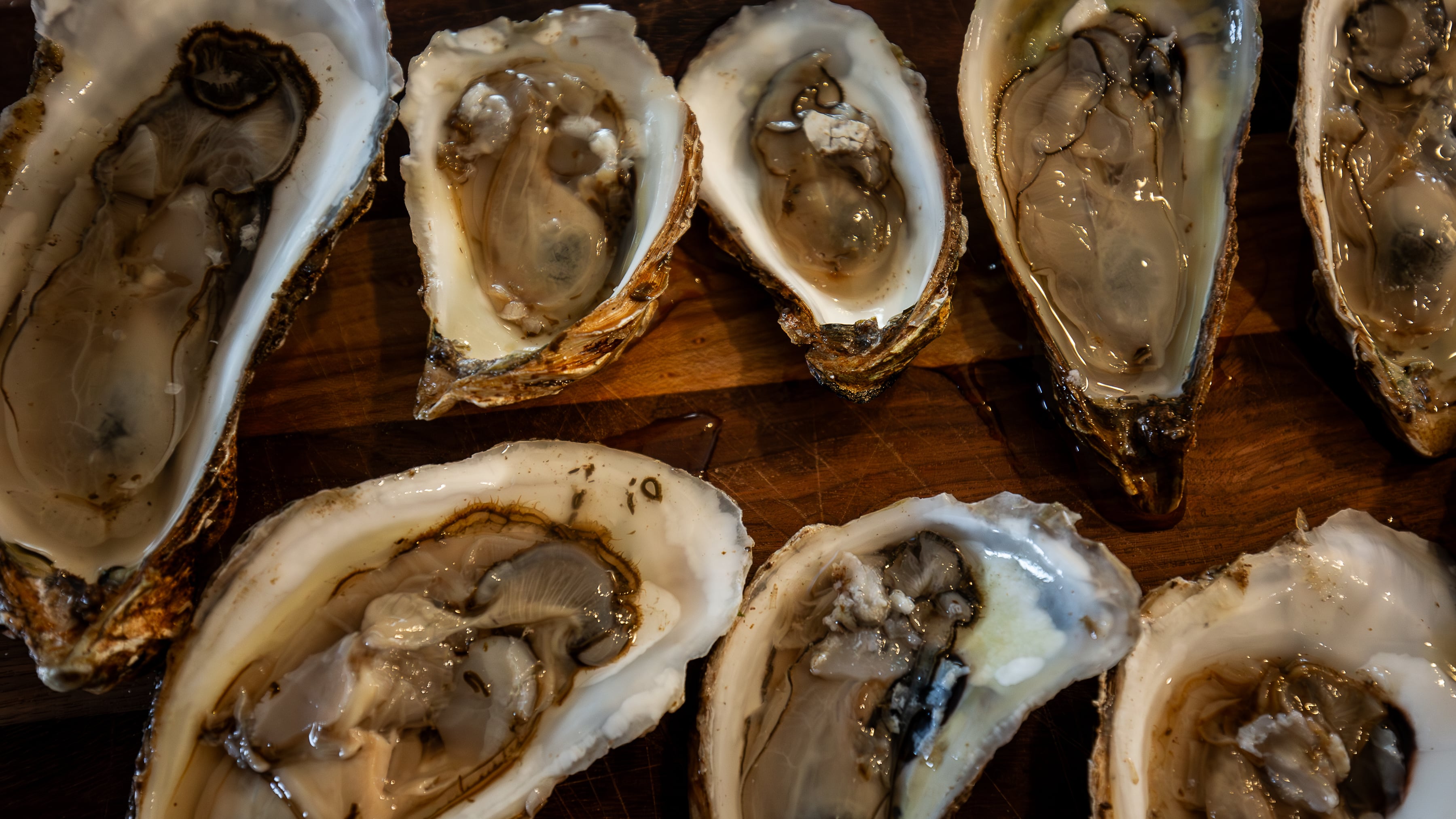
Shucked Malpeque oysters are seen on a serving board in Summerside, P.E.I., Sunday Jul 20, 2025. (THE CANADIAN PRESS/Giordano Ciampini)
“It’s really taken a toll on us,” Bob MacLeod, president of the Prince Edward Island Shellfish Association, told CTV News Atlantic’s Bruce Frisko. “High mortality in some rivers that we can no longer fish because there’s nothing live, really.
“We’re all bunched up in a few small rivers. It’s only our second week of the season and people are struggling.”
MSX (also known as multinucleate sphere unknown) was found in P.E.I. in July 2024. While the aquatic disease does not pose a health risk to humans, it can lower the growth rates of oysters and increase their mortality.
In July 2025, Dermo (also known as Perkinsosis), which poses similar risks to oysters, was found in Egmont Bay.
Both diseases have also been detected in Nova Scotia, New Brunswick, Newfoundland and Labrador, and Quebec.
In a statement to CTV News Atlantic, the Canadian Food Inspection Agency (CFIA) said MSX and Dermo can be influences by environmental conditions and are most active in waters with higher salinity during warmer months.
“Dermo can spread between oysters of through contaminated water, while MSX is believed to involve an unknown intermediary host, which makes it harder to determine how it spreads,” the CFIA said in an email.
MacLeod said the two diseases are causing major problems for wild fishers in P.E.I.
“The government has never done anything to make the wild fishery move ahead since MSX hit,” MacLeod said. “The way our catches are dwindling and nothing being done to help us move forward, the big concern is, what’s going to be there to stay in for?
“People are scared.”
P.E.I. offering $3M
Earlier this week, the P.E.I. government said it would offer up to $3 million to oyster fishers, growers and processors who suffered losses of at least 30 percent due to MSX and Dermo,
It is also launching the $1.46-million Oyster Relief Wage Assistance Program to offset a portion of payroll costs connected to a sorting and handling requirements.
MacLeod said the financial problems caused by the diseases this season are compounded by the rising cost of fuel.
“We’re travelling long distances to go fishing,” he said. “Drive an hour to get to fishing grounds, so the gas bill is pretty high.
“Lot of people relying on this as their income. How much longer can a person go where it’s feasible?”
To help P.E.I. oysters, the CFIA has approved the import of disease-resistant oyster seed and broodstock from the United States.
“The CFIA’s assessments support risk-based importation of oyster seed and broodstock, including testing, and biosecurity measures,” the email from the CFIA reads. “This allows the CFIA to take a controlled, risk-based approach that protects Canada’s aquatic resources while supporting the oyster sector.
“While disease-tolerant strains may improve performance over time, outcomes depend on environmental conditions and biosecurity, and imports do not eliminate risk or guarantee immediate recovery of the oyster industry.”
Due to MSX and Dermo, the CFIA restricted the movement of P.E.I. oysters that are not ready for the commercial market last September.
“Oyster movement controls will remain in place for the foreseeable future,” the CFIA said. “MSX and Dermo unfortunately cannot be eliminated from the natural environment once detected, so long-term management — along with ongoing engagement with industry, Indigenous rights holders, and provincial authorities — is essential to support a sustainable, regionally-appropriate approach.”
Source: CP24. Original article found here.
Recent News
In an effort to both share CFIA’s weekly updates, and provide an archive we will be posting PDF copies to…
The Department of Fisheries, Tourism, Sport and Culture has been conducting spring surveillance sampling of oysters from wild oyster beds…
The Canadian Food Inspection Agency (CFIA) has confirmed the presence of Dermo (also known as Perkinsosis) in oyster samples collected…
This article was written by Sarah Plowman and originally published by CTV News on May 26, 2025 at 6:31PM EDT.…
This article was written by Responsible Seafood Advocate and originally published by Global Seafood Alliance on May 21, 2025. We…
This article was written by Nancy Russell and originally published by CBC News on May 15, 2025 at 6:00AM ADT.…
Summary of research Name of researcher Affiliation Email address Dr. Attiq Rehman Research and Productivity Council attiq.rehman@rpc.ca Dr. Beibei Jia…
This article was written by Sarah Plowman and originally published by CTV News on May 12, 2025 at 12:33PM EDT.…
This article was written by Hina Alam, The Canadian Press and originally published by CityNews Everywhere on May 9, 2025…
This article was originally published by Genome Atlantic on April 23, 2025. We are sharing the full text here for…